Product · UI/UX Design · Education Platform · 2020-Present I designed Code Ninjas' proprietary educational platform connecting students, instructors, and curriculum designers through an interactive coding experience.
The Opportunity
Before IMPACT, curriculum lived across PDFs and disconnected internal tools. Students switched between multiple resources while instructors manually reviewed projects with limited tooling. The result was an inconsistent learning experience that was difficult to scale across hundreds of locations.
My Role
As the sole UI/UX designer on the project, I was responsible for designing the product experience across multiple user groups. I collaborated closely with the Education Team to translate curriculum into interactive learning experiences while establishing a scalable visual language for the platform. + Product Design +UX Design +UI Design +Design System +Product Strategy.
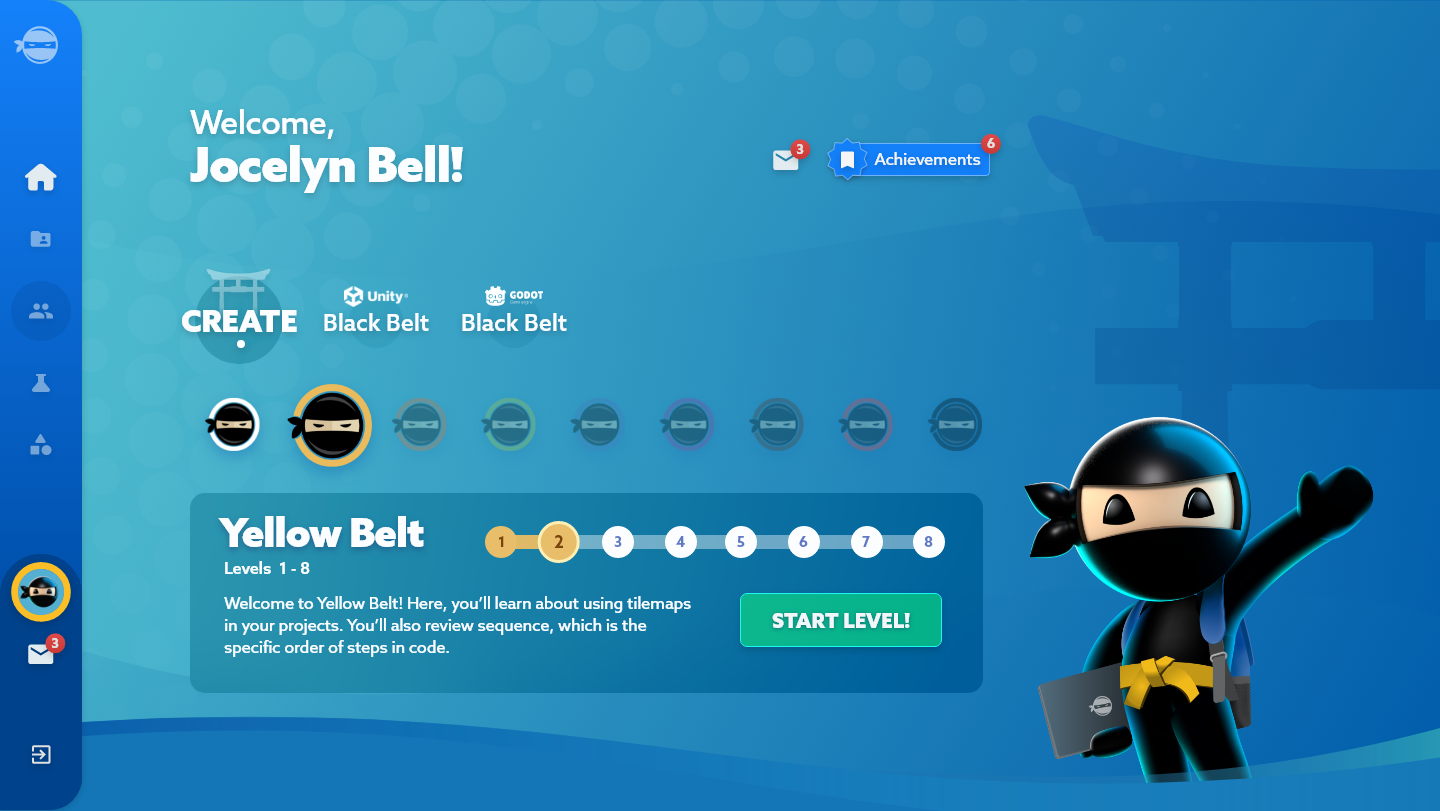
The Ninja Portal dashboard introduces students to their current Belt, progress, and learning path while providing quick access to curriculum, achievements, and communication tools.
Design Challenges
Designing IMPACT meant solving more than a visual design problem—it required rethinking how students, instructors, and curriculum designers interacted with educational content.
Prior to the platform, students relied on static PDF instructions while instructors manually reviewed projects with limited tooling. Curriculum updates also required franchise locations to replace outdated materials, creating delays and inconsistencies across the network.
The challenge was to create a single platform that could support engaging, game-like learning for students while simultaneously reducing friction for instructors and providing the Education Team with a scalable way to evolve curriculum over time.
The solution was to rethink this experience as a connected ecosystem rather than a collection of standalone tools.
Design Goals
+ Create a unified learning platform
+ Make coding approachable and engaging
+ Reduce friction for students and instructors
+ Support scalable curriculum management
+ Maintain Code Ninjas' playful brand identity
The IMPACT Ecosystem
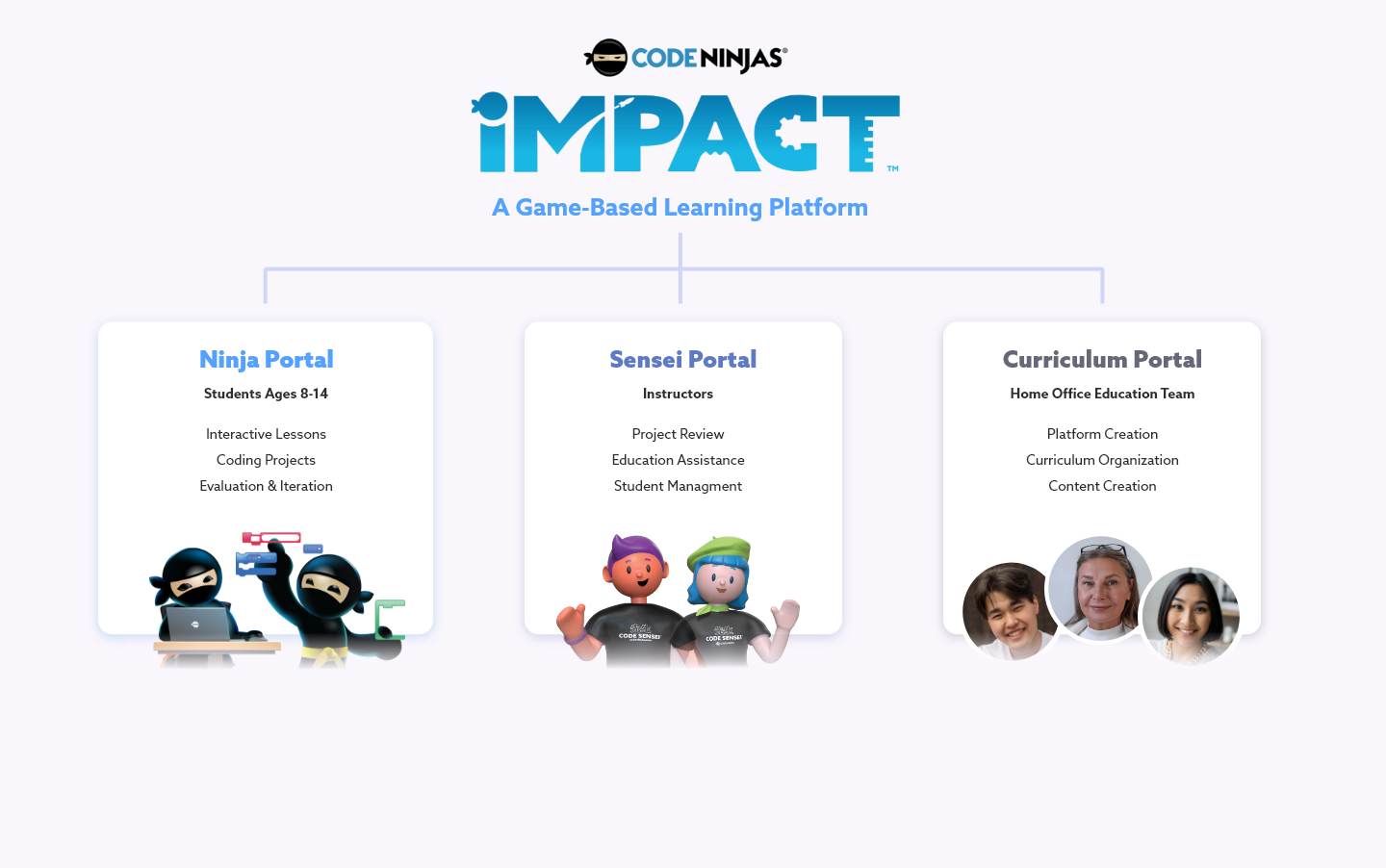
IMPACT was designed as a connected ecosystem supporting three primary user groups. Rather than treating learning, instruction, and curriculum management as separate experiences, the platform unified them into a single product with purpose-built interfaces for each audience.
Three interconnected portals working together to support students, instructors, and curriculum creators.
Re-Wiring The Learning Process
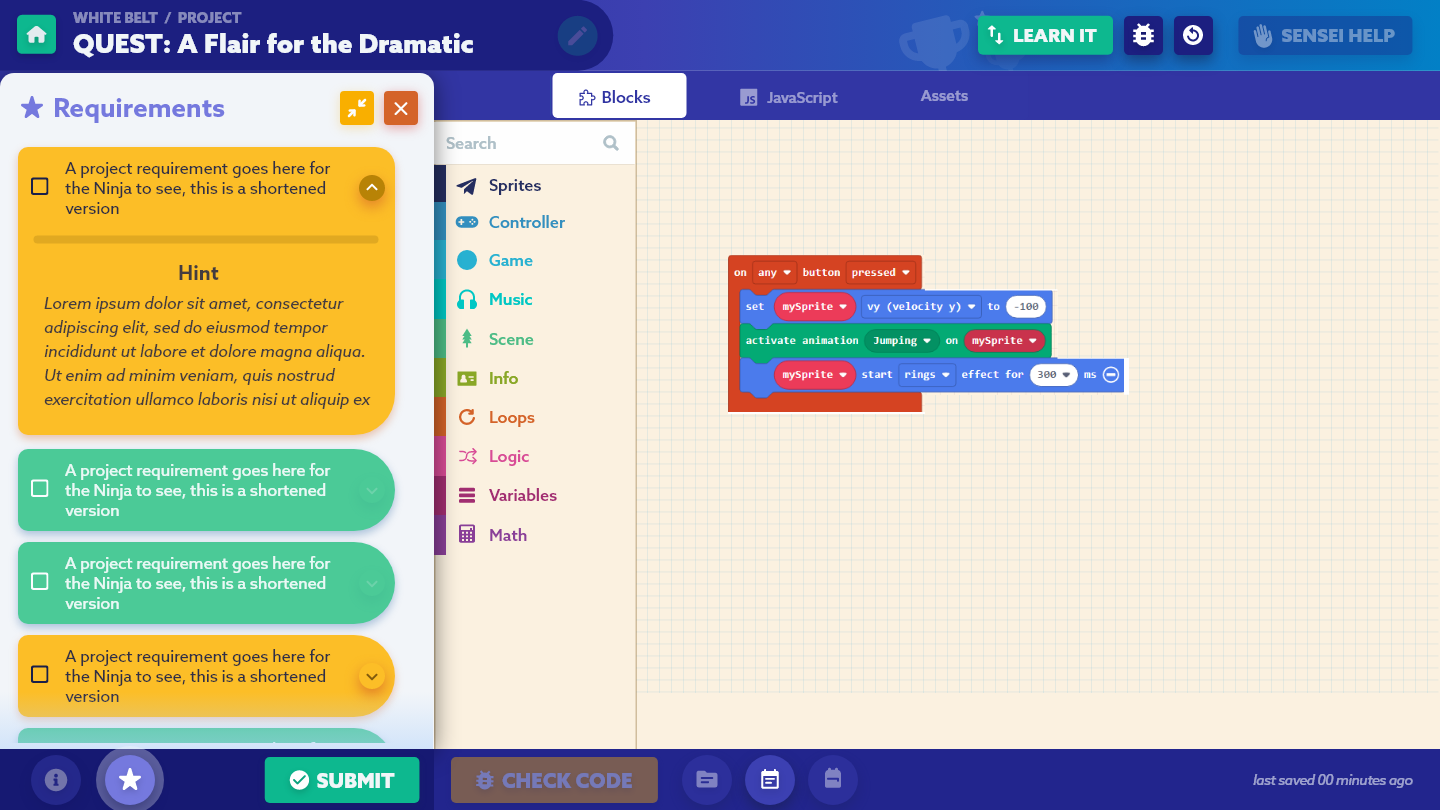
The Ninja Portal guides students through a structured learning experience that blends coding instruction, project creation, instructor feedback, and achievement progression. Rather than presenting lessons as isolated activities, the platform encourages continuous iteration through a loop of learning, feedback, and advancement. Instead of following instructions on one screen and recreating it on the next, students go through the real coding process of building, debugging and iteration - all on one screen.
NINJA PORTAL
Student Begins Learning
A Project Introduction is given to familiarize with the coding goals.
NINJA PORTAL
Building & Submitting a Project
Requirements are automatically graded. Students submit to instructors for deeper evaluation.
SENSEI PORTAL
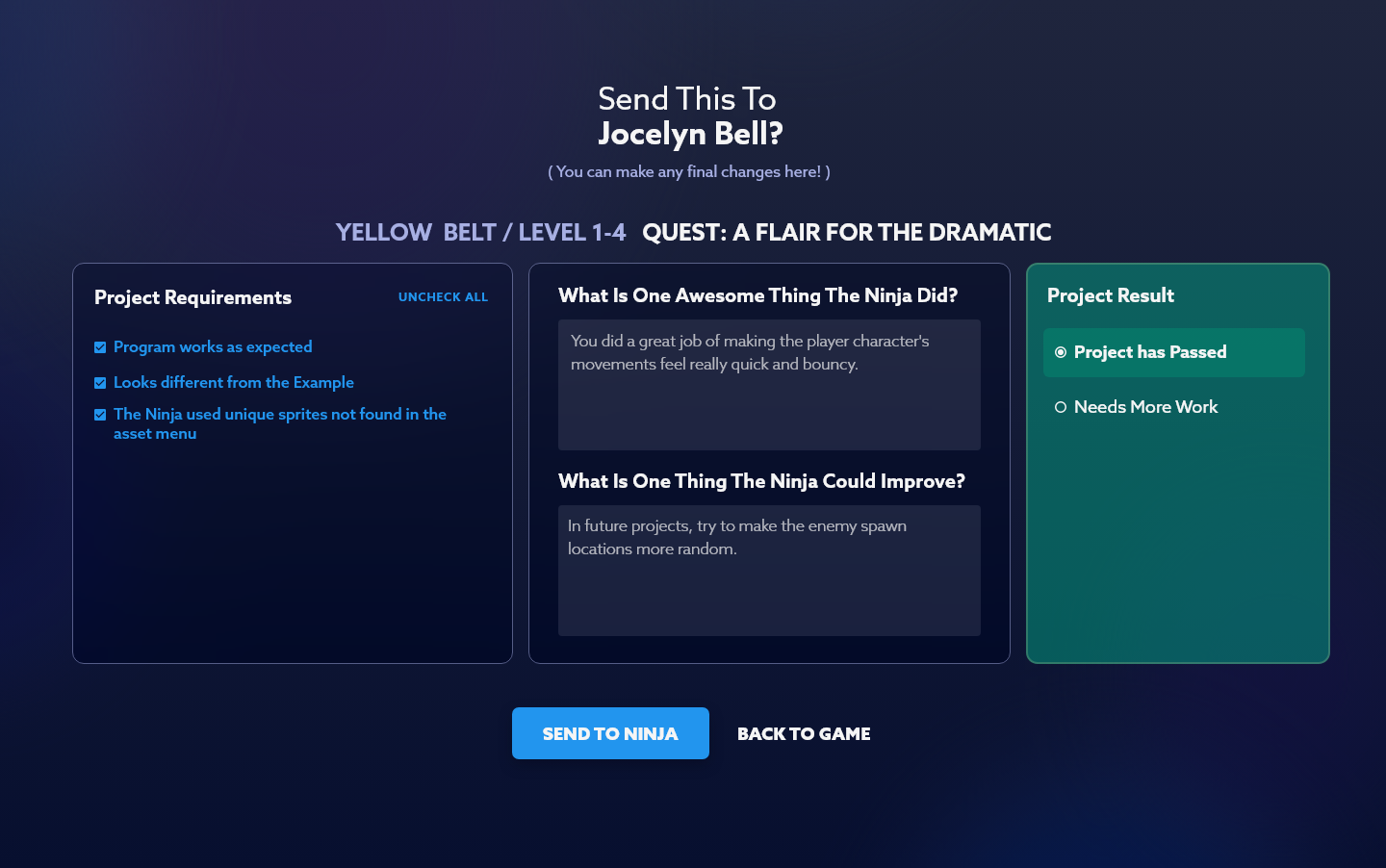
Instructor Feedback
Instructors review the Project and give iterative feedback - just like real coding!
NINJA PORTAL
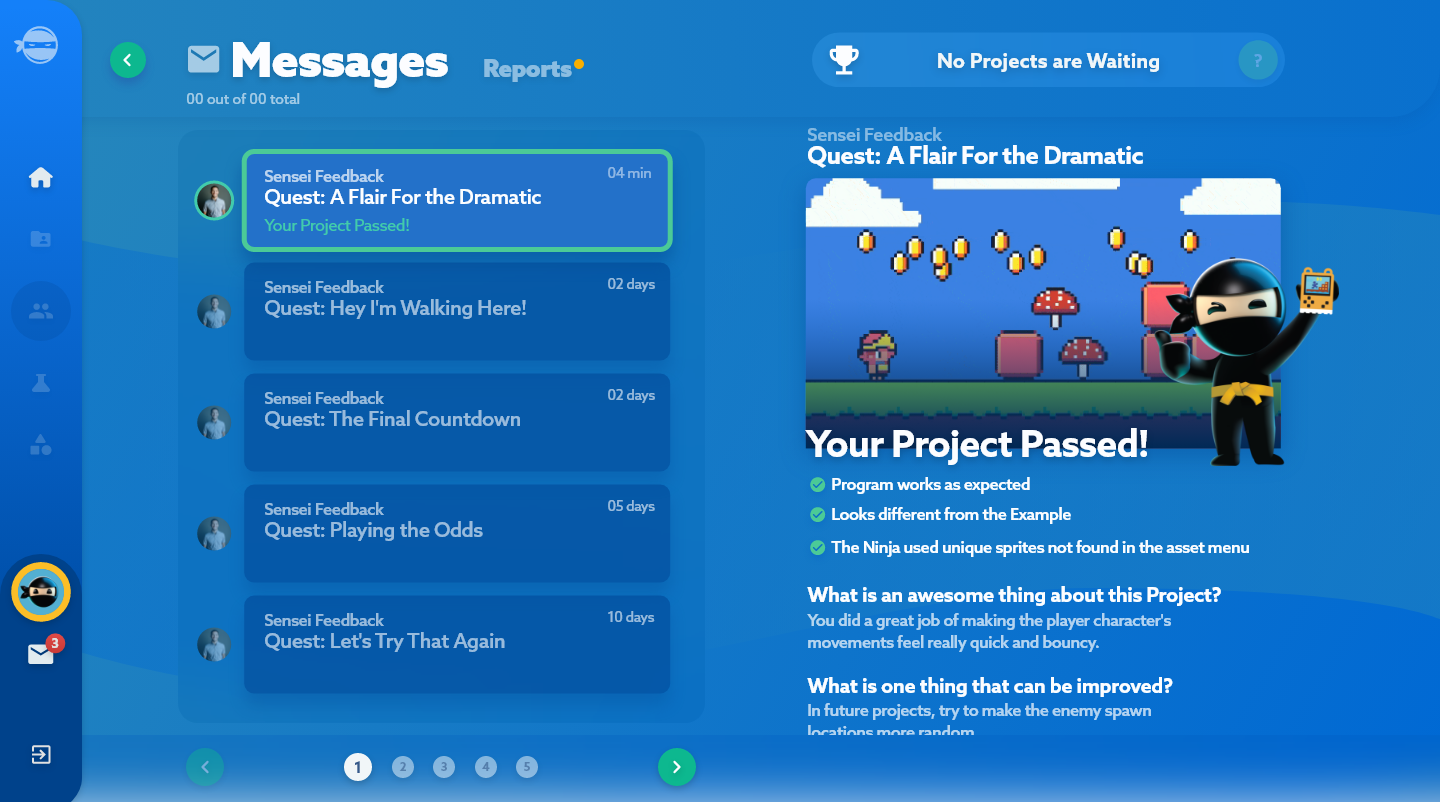
Feedback & Iteration
Students refine their projects using personalized instructor feedback before resubmitting.
NINJA PORTAL
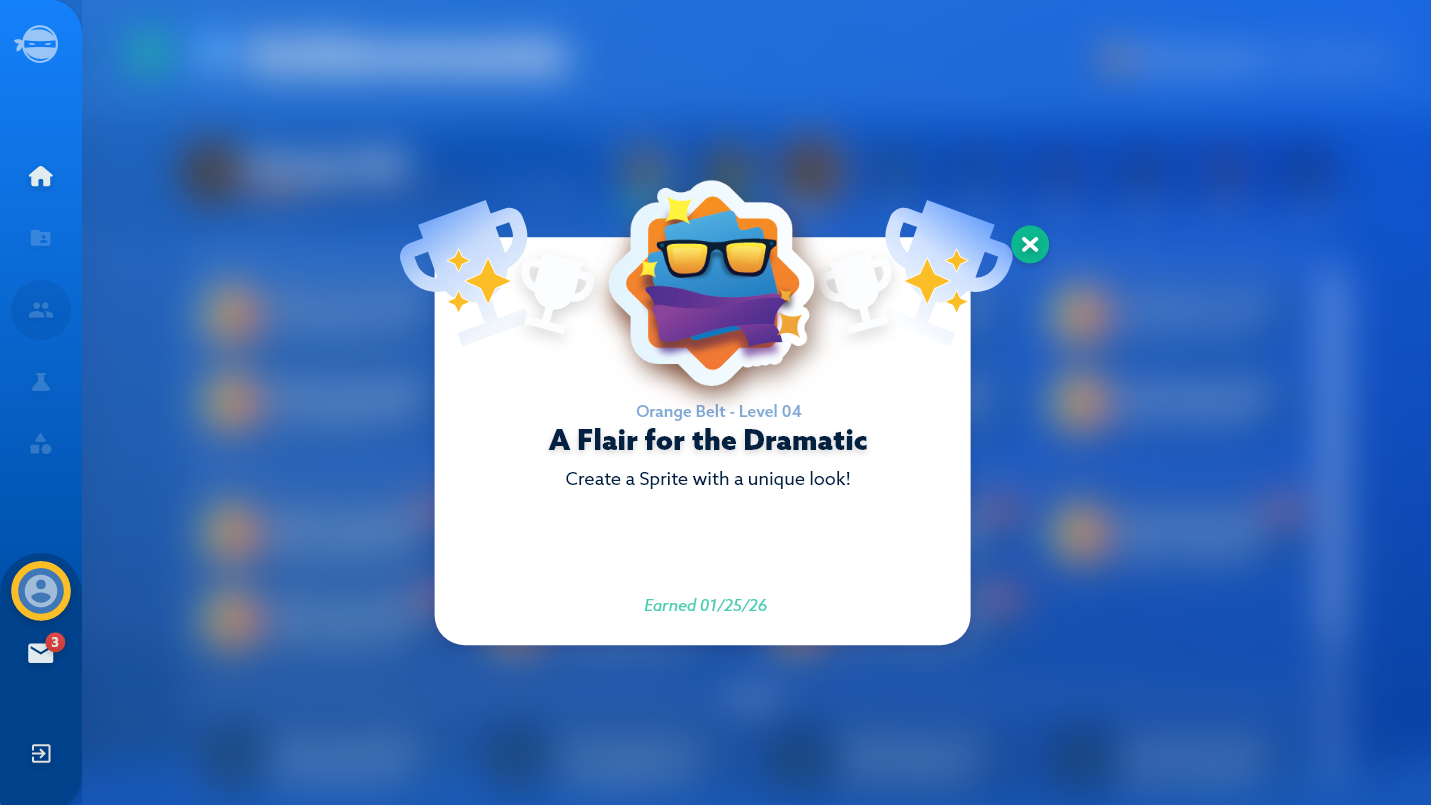
Progress & Achievement
Students earn Achievements as they progress in Levels and complete goals.
NINJA PORTAL
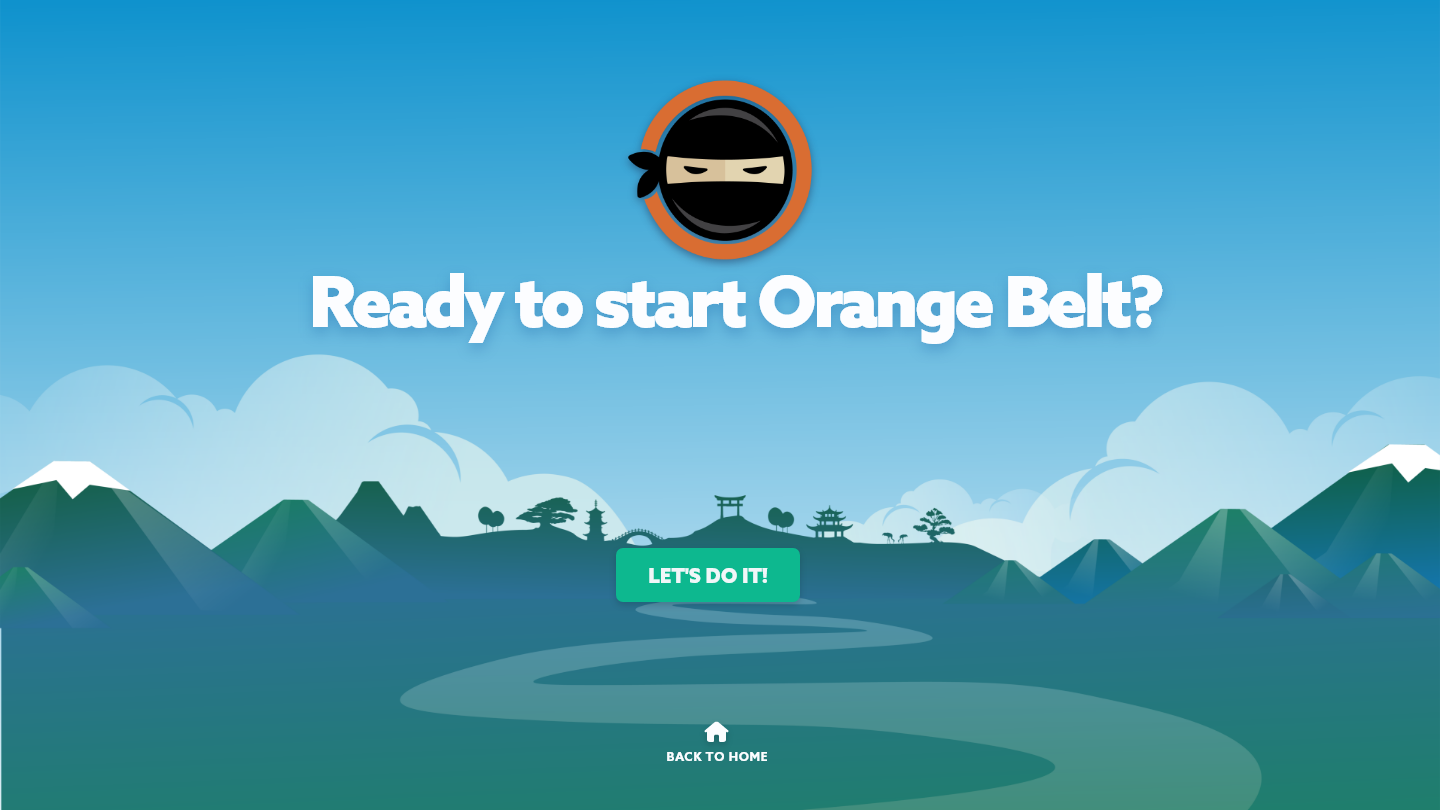
Onto the Next Belt!
Once complete, Students move on to the next Belt and the next challenge.
NINJA PORTAL
Student Begins Learning
A Project Introduction is given to familiarize with the coding goals.
NINJA PORTAL
Building & Submitting a Project
Requirements are automatically graded. Students submit to instructors for deeper evaluation.
SENSEI PORTAL
Instructor Feedback
Instructors review the Project and give iterative feedback - just like real coding!
NINJA PORTAL
Feedback & Iteration
Students refine their projects using personalized instructor feedback before resubmitting.
NINJA PORTAL
Progress & Achievement
Students earn Achievements as they progress in Levels and complete goals.
NINJA PORTAL
Onto the Next Belt!
Once complete, Students move on to the next Belt and the next challenge.
Designing an Engaging Learning Experience
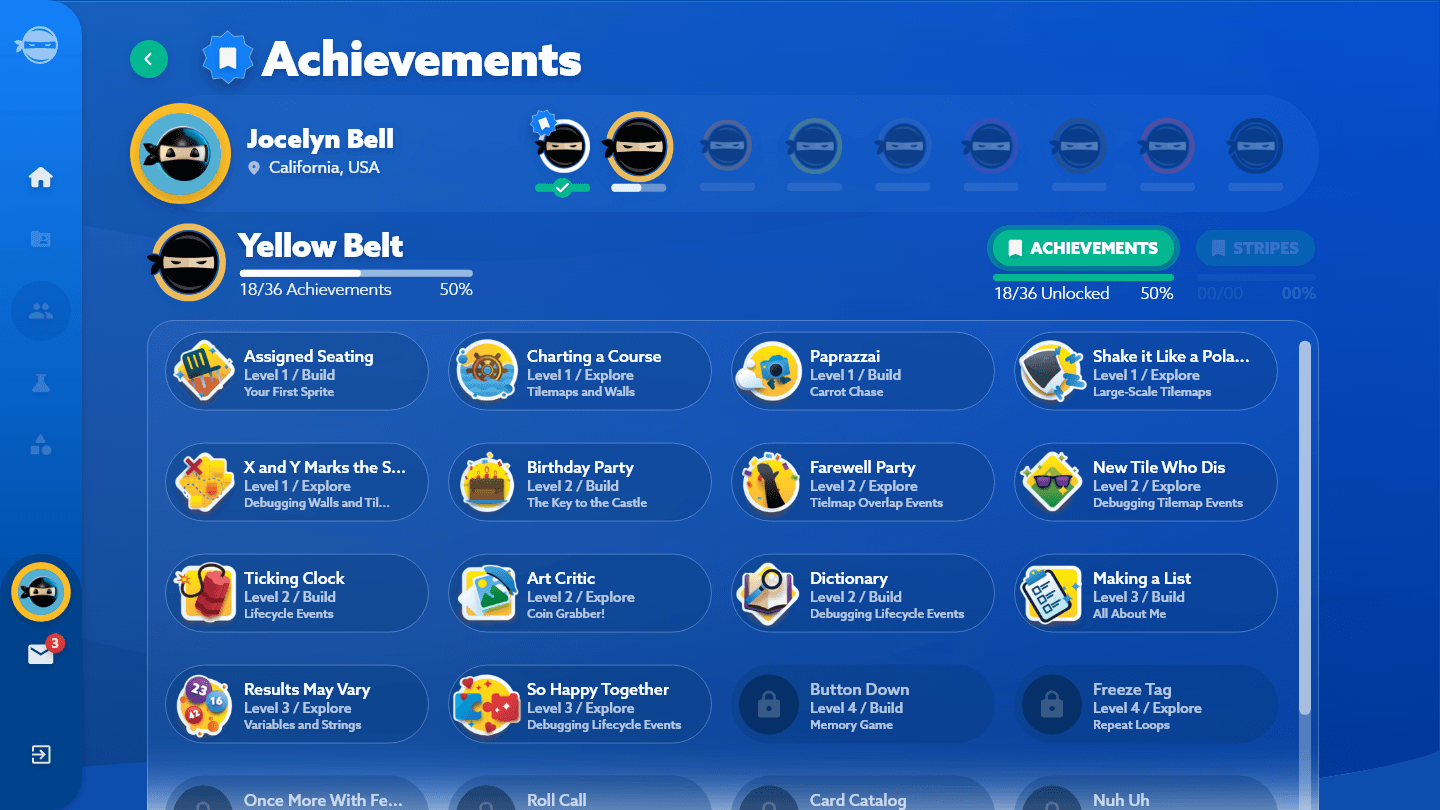
The Ninja Portal was designed to make learning approachable, engaging, and rewarding. With IMPACT, students weren't simply completing coding exercises—they were progressing through an experience designed to encourage exploration, iteration, and long-term engagement. Every screen balanced educational clarity with playful feedback, helping learners stay focused without overwhelming them.
The Ninja Portal transformed curriculum into a game-like experience without sacrificing educational rigor. Rahther than presenting curriculum as a static checklist, progress was framed through a gamified lens of "Achievements" - giving students a fun landmark for each accomplishment. This mindset exists throughout the Ninja Portal with the goal of making coding education feel as fun as it should.
Building a Scalable Design Language
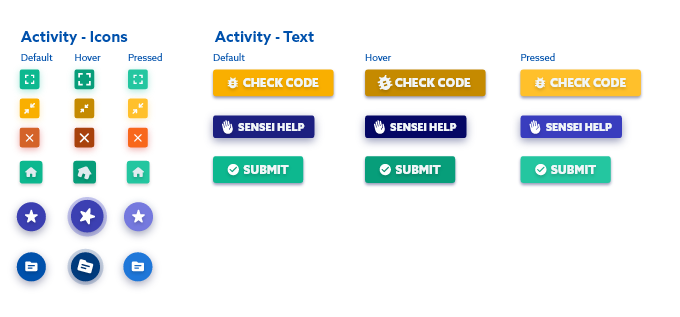
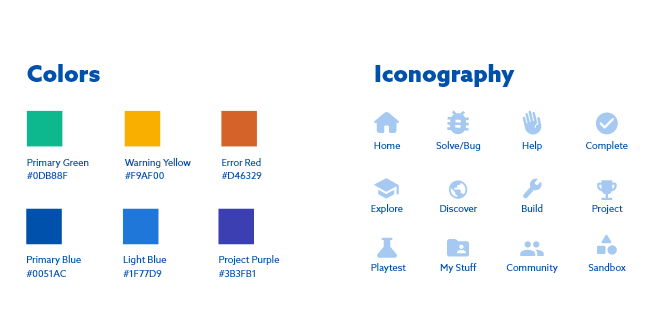
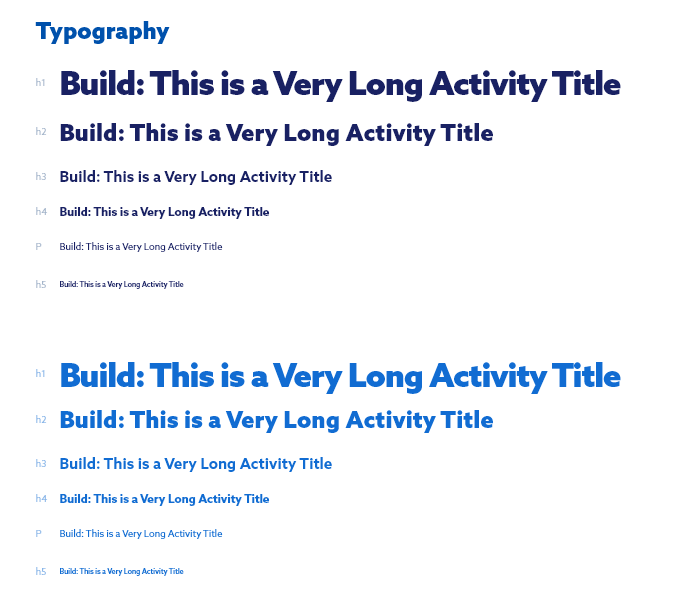
Supporting students, instructors, and curriculum creators required more than individual screens—it required a shared visual language. Establishing reusable components, typography, color systems, and interaction patterns allowed new features to be designed efficiently while providing a familiar experience across every part of IMPACT.
Supporting Instructors Without Adding Complexity
While the Ninja Portal focused on student learning, the Sensei Portal equipped instructors with the tools needed to review projects, provide personalized feedback, and monitor student progress. With the Sensei Portal, in-center instructors are able to seamlessly review student projects and provide feedback on one device. They're also able to keep track of the students in the center - whether that's overall progress, time spent on an activity, or simply how long their session time is.
Although students were the primary audience, designing the instructor experience was equally important. Every improvement to the Sensei Portal reduced administrative overhead and created more opportunities for meaningful one-on-one teaching. Instructors
Looking Back
IMPACT fundamentally changed how I think about product design. What began as designing individual interfaces quickly evolved into designing an ecosystem that needed to serve students, instructors, and curriculum creators with very different goals. Every decision had to balance educational outcomes, usability, scalability, and the playful personality of the Code Ninjas brand.
One of the biggest lessons from this project was that great educational software isn't defined by the number of features it offers, but by how confidently users can progress through them. Simplifying complex workflows, establishing a consistent design language, and reducing friction at every step became just as important as creating visually engaging interfaces.
Designing IMPACT reinforced that successful product design is ultimately about solving human problems. Whether helping a student feel confident tackling their next coding challenge or giving an instructor more time to mentor rather than manage software, every design decision was an opportunity to make learning more accessible and enjoyable.
Key Takeaways
Designed a unified product ecosystem supporting students, instructors, and curriculum creators.
Established a scalable design language used across multiple portals and hundreds of interface screens.
Balanced educational objectives with engaging, game-inspired interaction patterns.
Collaborated closely with cross-functional stakeholders to translate curriculum into interactive learning experiences.
Learned to approach design as a long-term system rather than a collection of individual screens.








.png)
