Creating Engaging Landing Pages

UI/UX Design · Marketing Design · Web · 2020–2026
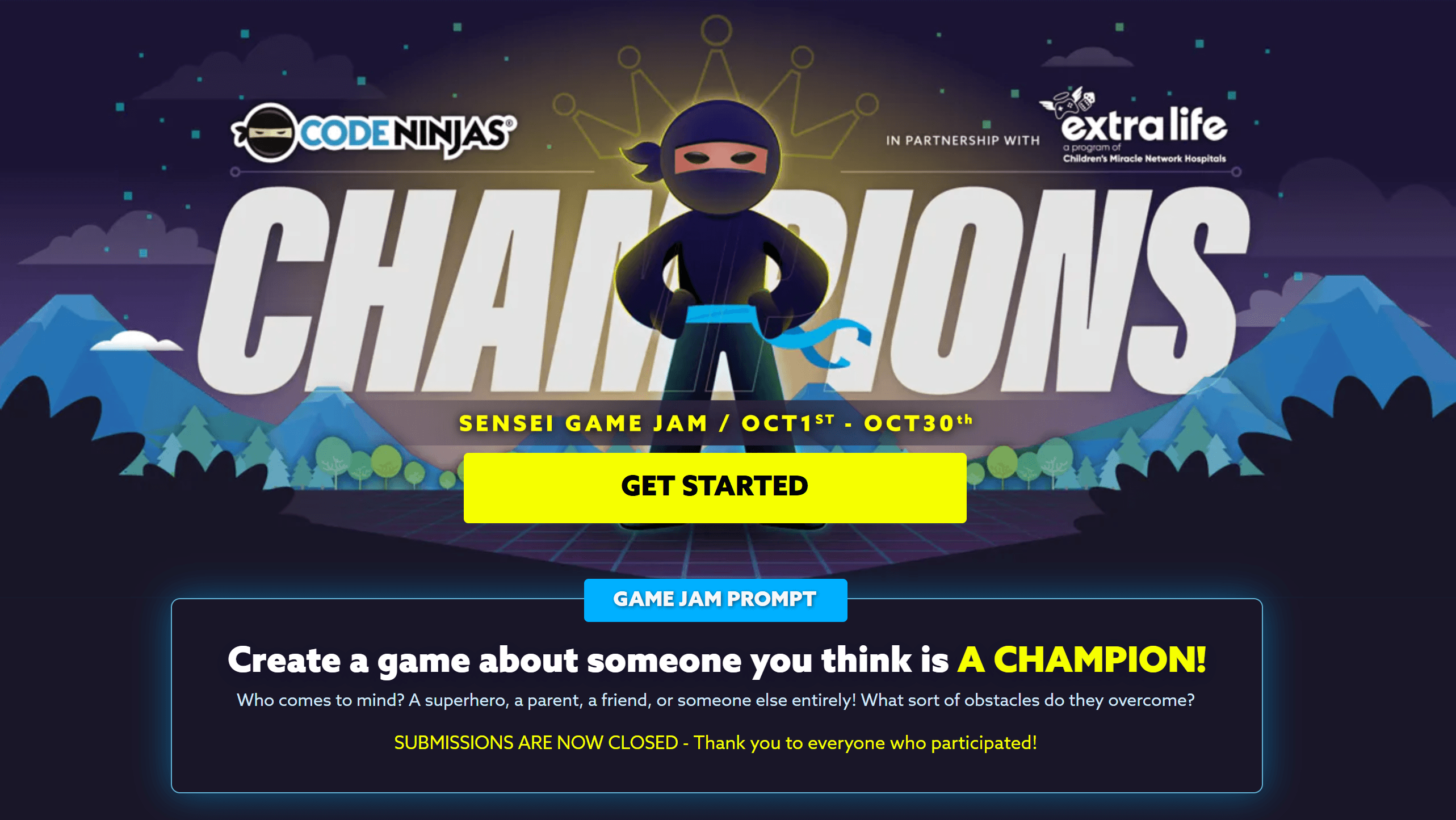
Throughout my time at Code Ninjas, I designed landing pages supporting new products, seasonal campaigns, partnerships, and franchise marketing initiatives. Each page balanced brand storytelling with clear user flows designed to convert visitors into leads.
The Opportunity
Landing pages served as one of the primary entry points for prospective families discovering Code Ninjas. Whether promoting camps, educational partnerships, community events, or new programs, every page needed to quickly communicate value while guiding visitors toward scheduling a free session or requesting more information.

Rather than treating each page as a standalone marketing asset, I approached them as focused user experiences that balanced visual engagement with clarity, hierarchy, and conversion.
My Role
As a Graphic Designer on the marketing team, I designed landing page experiences from initial concepts through production-ready assets, collaborating with marketing stakeholders to ensure each page aligned with campaign goals and brand standards.
  • UI Design
  • UX Design
  • Information Hierarchy
  • Responsive Layouts
  • Conversion Optimization
Landing pages supporting educational partnerships, seasonal camps, national marketing initiatives, promotional events, and franchise lead generation.
Design Challenges
Every landing page served a different audience, but they all shared the same objective: communicate information quickly while encouraging visitors to take action.

The challenge was balancing educational content with marketing goals. Families needed enough information to understand the value of a program without feeling overwhelmed by long pages or excessive text. At the same time, franchisees depended on pages that performed consistently across desktop and mobile devices while remaining easy to update over time.

Each project required thoughtful decisions around content hierarchy, pacing, and calls-to-action to create a clear path from interest to conversion.
Design Goals
  • Communicate value within the first screen.
  • Create intuitive content hierarchy.
  • Guide visitors toward clear calls-to-action.
  • Maintain consistency across campaigns.
  • Optimize layouts for desktop and mobile.
Designing the User Journey
Before focusing on visual polish, I established the overall flow of the experience. Hero messaging, supporting content, trust indicators, program information, and conversion opportunities were arranged to answer the questions families were most likely to have as they scrolled.
Building Visual Hierarchy
Strong visual hierarchy played an important role in helping users navigate longer pages. Typography, spacing, color, photography, and illustration worked together to separate information into digestible sections while drawing attention toward primary calls-to-action throughout the experience.

Responsive Experiences
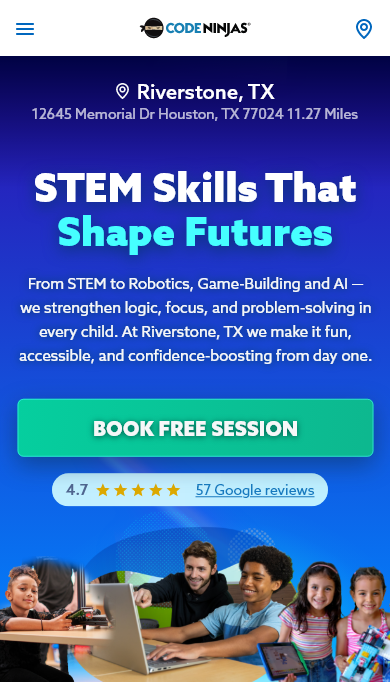
Every landing page was designed to perform across multiple screen sizes. Rather than simply shrinking layouts for mobile, sections were reorganized to preserve readability, maintain visual balance, and keep important actions accessible regardless of device.
Responsive Experiences
Every landing page was designed to perform across multiple screen sizes. Rather than simply shrinking layouts for mobile, sections were reorganized to preserve readability, maintain visual balance, and keep important actions accessible regardless of device.
Looking Back
Designing landing pages strengthened my understanding of user behavior, information architecture, and conversion-focused design. I became increasingly intentional about how users consume content, where attention naturally flows, and how visual hierarchy influences decision-making.

These projects reinforced that effective web design isn't simply about attractive layouts—it's about guiding people toward meaningful actions through thoughtful organization, clarity, and purposeful design.
Key Takeaways
  • Designed marketing landing pages supporting multiple campaigns and products.
  • Balanced storytelling with conversion-focused UX principles.
  • Established clear information hierarchy for complex content.
  • Created responsive experiences across desktop and mobile.
  • Improved campaign consistency through reusable layout patterns and visual systems.

If You Liked That, You'll Love These

Let's Talk!

Thank you! Your submission has been received!
Oops! Something went wrong while submitting the form.